Domain and Link Awareness
Look beyond the brand name in a page header. Misspellings, extra words, unusual endings, redirects, and shortened links can indicate a copied or misleading destination.
 Register
This BD77D Login page provides neutral information for people in Bangladesh who encounter an account sign-in screen or have concerns about account safety. It explains how to recognise phishing risks, protect personal information, respond to lost credentials, and understand the legal context. It does not encourage account access, betting activity, deposits, or use of restricted services.
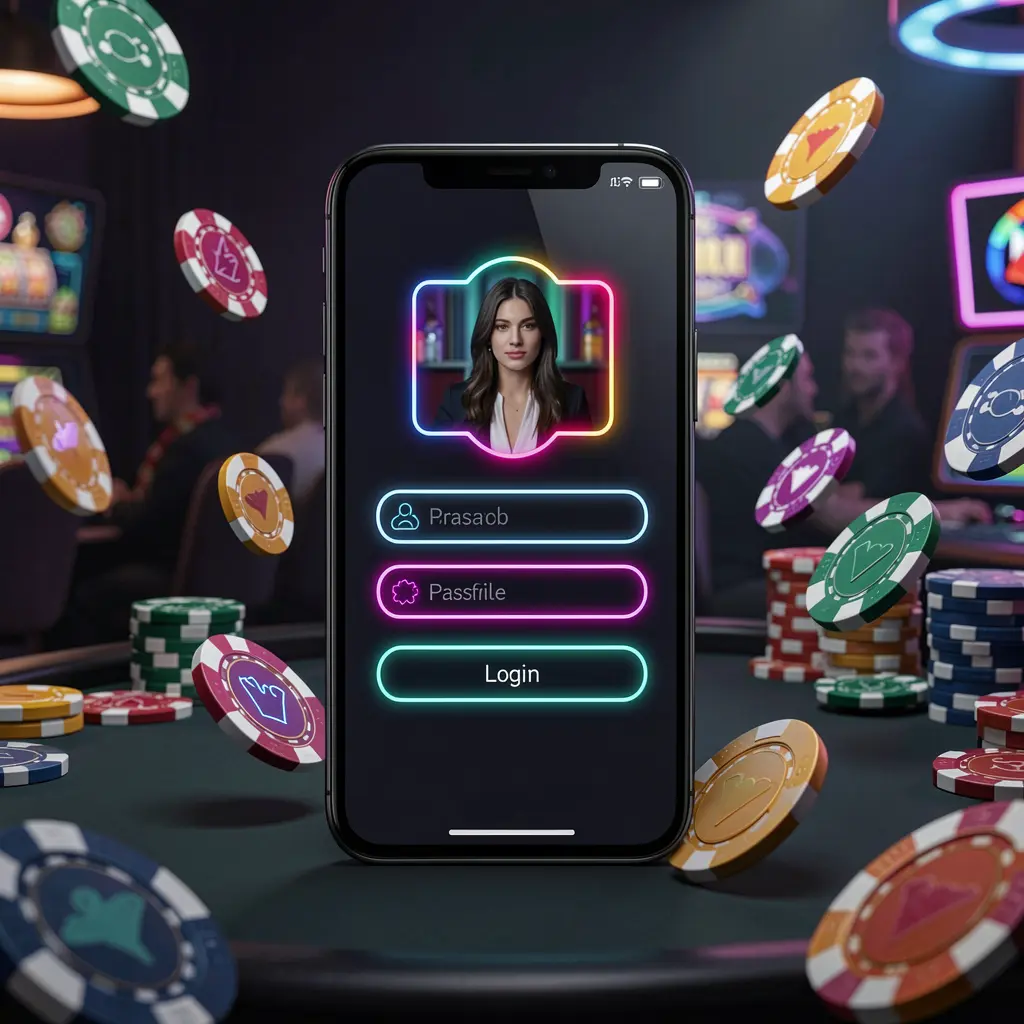
A login page can expose sensitive information such as phone numbers, passwords, verification codes, profile records, and financial details. Anyone encountering a BD77D sign-in page should treat it as a security matter and avoid entering information until the source and legal position are understood.
In Bangladesh, the Gambling Prevention Act, 2026, effective from 1 July 2026, creates significant restrictions and offences relating to online betting activity and its promotion. This page is general information, not legal advice. For guidance about an individual situation, consult a qualified legal professional.
Messages, advertisements, copied domains, and private chat accounts may imitate a familiar brand to collect account details. Do not rely on a logo or an urgent message alone. Check the web address carefully, avoid links received unexpectedly, and never disclose passwords, OTP codes, recovery links, identity documents, or wallet screenshots to another person.
Do not rush into a sign-in request. The safer response is to pause, assess whether the page is genuine, protect any information already connected to an account, and seek appropriate independent advice where needed.
Examine the full web address and how you reached it. Close pages opened through unsolicited messages, shortened links, pop-ups, advertisements, or unfamiliar social media accounts.
Do not enter a password, phone number, OTP, email code, payment detail, or identity document into a page whose authenticity cannot be independently confirmed.
If you believe details were entered on a suspicious page, change reused passwords through the relevant legitimate service and monitor associated email or mobile accounts for unusual activity.
Save non-sensitive evidence such as the suspicious address, message time, and screenshots. Avoid sharing private information when reporting suspected fraud or seeking assistance.
Look beyond the brand name in a page header. Misspellings, extra words, unusual endings, redirects, and shortened links can indicate a copied or misleading destination.
Use a unique, long password for each important account. Password reuse can expose email, mobile wallet, and other services if one set of credentials is compromised.
One-time codes and password-reset links are security credentials. Never send them to a caller, chat contact, agent, or person claiming to provide account support.
Keep devices updated, remove unknown applications, and avoid entering sensitive details on shared devices or public networks where activity may be exposed.
A failed sign-in, unexpected verification request, or unfamiliar account notification does not prove that an account has been compromised. It does mean that users should avoid repeated guesses and take measured steps to protect related contact details.
Do not keep trying variations or send details to private contacts. Secure the email address and phone number associated with the password before taking further action.
An unrequested code can mean somebody attempted to use your number or email. Do not share the code, and review security settings on linked services.
Avoid installing files from messages, pop-ups, or unknown websites. Unknown software can request unnecessary permissions or collect information from the device.
Treat urgent requests for identity records, fees, or financial details with caution. Verify through an independent, legitimate contact route before responding.
Online betting-related services can involve financial loss, privacy exposure, and legal consequences in Bangladesh. A login screen should not be viewed as a reason to continue activity. If access is causing stress, debt concerns, secrecy, or pressure from others, stopping engagement is the safer option.
If you suspect fraud, prioritise the security of your email, phone number, and financial accounts. Speak with the relevant bank, mobile operator, or legitimate service provider using contact details obtained independently. For legal questions, use qualified local advice rather than relying on social media claims or anonymous chat contacts.
General answers about BD77D login-related security, privacy concerns, suspicious links, and Bangladesh legal context.
This page provides neutral information about protecting personal data when encountering BD77D login-related pages, messages, or account-security concerns. It does not promote account access or betting activity.
Do not enter passwords, OTP codes, financial details, or identity documents unless you can independently establish that the destination is genuine and understand the applicable legal position.
Change any reused password through the legitimate affected service, secure linked email and phone accounts, and watch for unfamiliar activity. Do not share further codes or recovery links.
It may indicate that someone attempted to use your phone number or email. Do not disclose the code, and review the security of linked accounts and contact details.
Bangladesh's Gambling Prevention Act, 2026, effective 1 July 2026, creates significant restrictions and offences concerning online betting activity and promotion. This is general information; obtain qualified legal advice for your circumstances.